How to Fix Error 0x8096002A: No Error Description Available

5 mins read

Updated on 2026-07-31 14:48:36 to Windows Fix

You double-click a ZIP, RAR, or 7Z file to extract it, but Windows suddenly shows Error 0x8096002A. This error means Windows failed to unpack the archive, often due to an unsupported format, corrupted file, password issues, or problems with the built-in extraction tool.

In this guide, you'll learn what causes error 0x8096002A and how to fix it with practical solutions.

error 0x8096002a when extracting an archive

What Does Error 0x8096002A Mean?

Error 0x8096002A means that Windows failed to complete the extraction of a compressed archive. The error code does not point to one specific cause and may appear due to a corrupted archive, unsupported format, password protection, or issues with the extraction process. Below are some error messages you may see:

  • "Error 0x8096002A: No error description available."
  • "The extraction operation was not completed."
  • "An unexpected error is preventing the archive from being extracted."
  • "An unexpected error is keeping you from copying the file."
📝 Note:

This extraction error does not normally delete the archive. Data recovery is usually only needed if the archive was deleted, lost, or stored on an inaccessible drive.

Why Does Error 0x8096002A Happen?

Common causes behind this error 0x8096002A include:

Causes Description
🔒 Unsupported or Encrypted Archive Windows File Explorer may fail to extract password-protected archives or files that use unsupported compression methods.
📥 Incomplete or Corrupted Download A failed download or damaged archive can cause extraction errors, CRC errors, or missing data.
📁 Long Path or Protected Folder A long file path, restricted folder, or Windows security setting may stop files from being extracted.
💾 Insufficient Space or Disk Errors The destination drive may not have enough space. Disk errors can also interrupt the extraction process.
🛡 Security Software Interference Antivirus software may block or quarantine files during extraction.
⚙ Damaged Windows Components If other archives also fail to extract, damaged Windows components may be causing the problem.

How to Fix Error 0x8096002A in Windows?

Try these fixes in order, starting with the simplest solutions first. The advanced methods below can help if the error is caused by Windows issues or drive problems.

Method 1: Extract the Archive with 7-Zip or WinRAR

Windows File Explorer may not support certain archive formats, encryption methods, or compression methods. A dedicated extraction tool can fix many ZIP, RAR, and 7Z extraction issues.

  • Download 7-Zip or WinRAR from their official websites.

  • Locate the archive in File Explorer or the desktop.

  • Right-click the archive and select "7-Zip" > "Extract to" or the matching option.

    extract the archive with 7 zip
  • Enter the archive password if prompted and wait for the extraction to complete.

Important:

Download extraction tools only from their official websites. Avoid tools from ads, pop-ups, or unknown download sites.

Method 2: Check the Password and Archive Type

A wrong password or unsupported archive type can prevent Windows from extracting the file. Check the archive format and password before trying other fixes.

  • Press Windows + E to open File Explorer.

  • Select "View" > "Show" > "File name extensions."

  • Check whether the file ends in .zip, .rar, .7z, or a multi-part extension such as .part1.rar.

  • If it is password-protected, confirm the correct password with the sender or download source.

  • Open the file with 7-Zip or WinRAR and enter the password exactly.

📝 Note:

For multi-part archives, keep all parts in the same folder and start extraction from the first part. Missing parts can cause extraction failures.

Method 3: Test the Archive for Errors

Testing the archive helps you check whether the file itself is damaged or the issue comes from Windows File Explorer.

  • Right-click the archive.

  • Select "7-Zip" > "Test archive."

    test the archive with 7 zip
  • If the result shows no errors, extract the archive with 7-Zip instead of File Explorer.

  • If you see a "CRC error," "Data error," or "Unexpected end of data" message, continue to the next method.

Method 4: Download the Archive Again

A failed download can create an incomplete archive that looks normal but cannot be extracted. Download a fresh copy from the original source and try again.

  • Delete the damaged copy only if you can download it again from a trusted source.

  • Download the archive again and make sure the process completes successfully.

  • Compare the new file size with the size shown by the source.

  • If the source provides a checksum, verify that the new download matches it.

  • Test the archive again after downloading.

Method 5: Move the Archive to a Short Local Path

Long file paths, cloud folders, or protected locations can prevent Windows from extracting files. Moving the archive to a simple local folder can help identify the cause.

  • Press Windows + E and locate the archive.

  • Create a folder named C:\Temp.

  • Copy the archive into this folder and shorten the file name if needed.

  • Extract the archive into a new folder inside C:\Temp.

  • If it works, move the extracted files to the original location.

Method 6: Check Permissions, Free Space, and Folder Protection

Windows needs enough storage space and permission to create extracted files. Check these settings before changing system options.

  • Right-click the archive and select "Properties."

  • On the "General" tab, select "Unblock" if available, then click "Apply."

  • Open the "Security" tab and make sure your account has "Read" and "Write" permissions.

    check archives permissions
  • Check that the destination drive has enough free space for the extracted files.

  • If Controlled Folder Access blocks extraction, allow the trusted extraction tool or use C:\Temp.

📝 Note:

The methods above solve most Error 0x8096002A cases. If the error continues even with healthy archives, try the following advanced fixes to check Windows components or storage issues.

Method 7: Update Windows

Windows updates may fix known File Explorer issues that affect archive extraction. Make sure your system is up to date and try extracting the file again.

  • Press Windows + I to open Settings.

  • Select "Windows Update."

  • Click "Check for updates."

    install latest windows update
  • Install available updates and restart your computer.

  • Try extracting the archive again.

Method 8: Run SFC and DISM

If multiple valid archives fail to extract, damaged Windows system files may be the cause. SFC and DISM can check and repair these files.

  • Press Windows + S and type Terminal.

  • Right-click "Terminal" and select "Run as administrator."

  • Run sfc /scannow and wait for the scan to finish.

    run the sfc command
  • Run DISM /Online /Cleanup-Image /RestoreHealth.

  • Restart Windows and test the archive again.

Method 9: Check the Drive for Errors with CHKDSK

Drive errors can interrupt file reading and writing during extraction. Use CHKDSK only after checking the archive, folder location, and permissions.

  • Back up any accessible files from the affected drive.

  • Open Terminal as an administrator.

  • Run chkdsk X: /f, replacing X: with the drive containing the archive.

    run the chkdsk prompt
  • If Windows asks to schedule the scan, type Y and restart the computer.

  • After the scan finishes, copy the archive to a healthy folder and test it again.

Warning:

If the drive makes unusual noises, disconnects, or contains important files, back up or recover your data before running disk repair tools.

How to Recover Data When Error 0x8096002A Occurs?

Error 0x8096002A usually prevents Windows from extracting an archive, but your files may still be recoverable if the ZIP, RAR, or 7Z file was deleted, lost, or stored on an inaccessible drive. In these cases, you can use a professional recovery tool like 4DDiG Data Recovery to scan for the missing or inaccessible files. Its key features include:

  • Recover deleted or lost Zip, RAR, 7Z archives, photos, videos, and documents.
  • Support recovery from hard drives, SSDs, SD cards, and USB drives.
  • Preview found files before recovery to check whether they are recoverable.
  • Save recovered files to a different location to avoid data overwriting.
FREE DOWNLOAD

secure download Secure Download

FREE DOWNLOAD

secure download Secure Download

Follow these steps to recover your archive or other file types with 4DDiG:

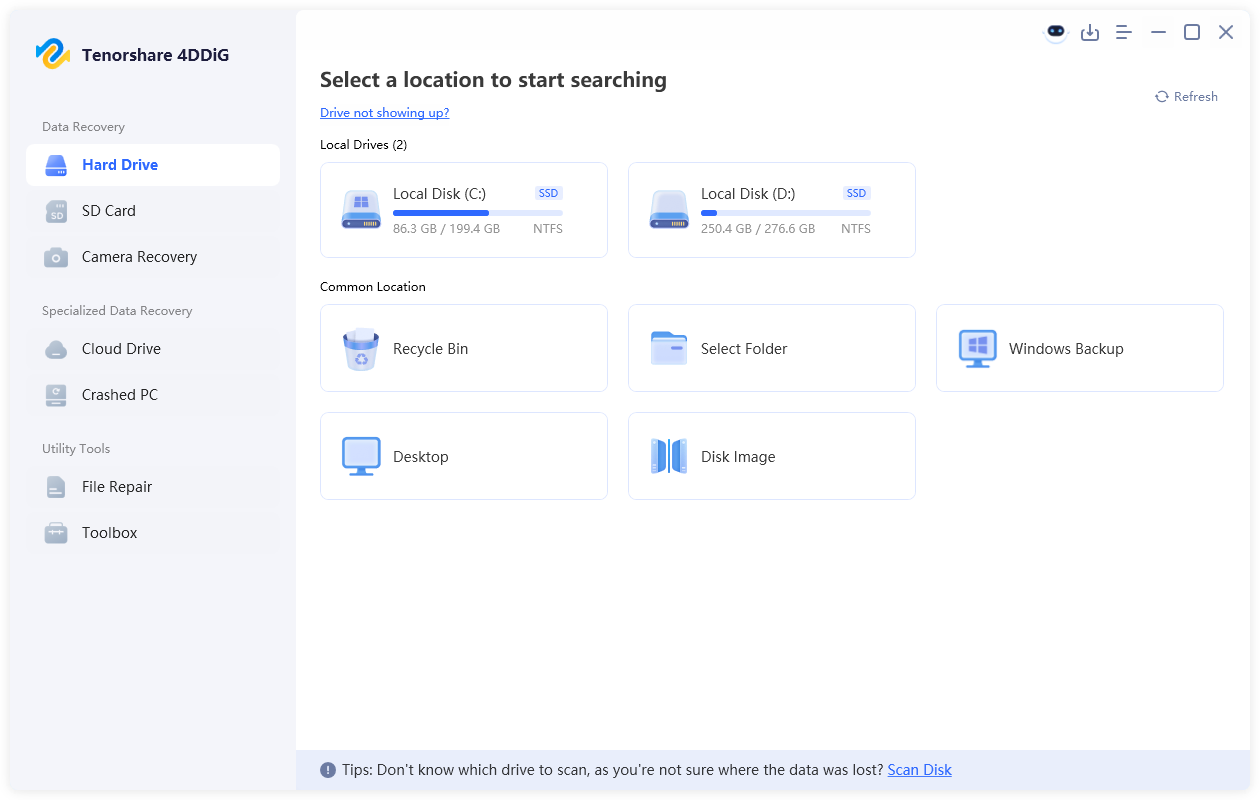
  • Download and launch 4DDiG. Select the drive or folder where the lost ZIP, RAR, or 7Z archive was stored, then start scanning.

    Launch 4DDiG and select a location to scan
  • After scanning, use the filter and search features to find the missing archive. You can filter by file type, name, path, or other details to locate the ZIP, RAR, or 7Z file faster.

    scan WD My Passport and filter files in 4DDiG
  • Preview the recoverable archive before restoring it. Check the file details, select the target archive, and click "Recover" to restore it.

    Preview the recoverable PBIX file
  • Choose another drive or folder to save the recovered archive. Avoid saving it to the original location to prevent overwriting other recoverable data.

    save the recovered PBIX file to another location
💡 Tip:

Besides data recovery, 4DDiG also supports repairing some corrupted files, helping restore damaged photos, videos, and documents when the files cannot be opened normally.

FAQs About Error 0x8096002A

Why can't Windows extract a password-protected RAR file?

Windows File Explorer may fail to extract encrypted RAR files. Use 7-Zip or WinRAR and enter the correct password to open the archive.

Does error 0x8096002A mean the archive is corrupted?

Not always. The error can also happen because of unsupported formats, passwords, or File Explorer issues. Use 7-Zip to test the archive and check whether the file is damaged.

Can error 0x8096002A cause data loss?

Usually, no. This error normally prevents extraction but does not delete the archive. Data recovery is only needed if the archive was deleted, lost, or stored on an inaccessible drive.

Conclusion

The quickest way to fix error 0x8096002A is to try 7-Zip or WinRAR first. Use Windows repair commands only when multiple healthy archives fail. If the archive was deleted or the drive is inaccessible, 4DDiG can help recover the lost files.

Friendly Advice: Backup Your Computer Regularly

Regular backups are one of the best ways to protect your important files. Whether you use your computer for work, study, or personal tasks, hardware issues, system errors, or unexpected events can put your data at risk. Creating backups regularly helps you avoid permanent data loss.

We recommend using 4DDiG Partition Manager, a reliable tool for managing your Windows drives and partitions. It helps users clone disks, resize partitions, and manage storage more efficiently to keep their data organized and protected.

FREE DOWNLOAD

Secure Download

William Bollson (senior editor)

William Bollson, the editor-in-chief of 4DDiG, devotes to providing the best solutions for Windows and Mac related issues, including data recovery, repair, error fixes.

(Click to rate this post)

You rated 4.5 ( participated)