[Updated] How to Fix Error Code 0xc0000005 in Windows 10/11

Are you facing error code 0xc0000005 on Windows 10 or 11? Follow our detailed guide to resolve this error and recover your lost data with 4DDiG Data Recovery in no time.

5 mins read

Updated on 2026-07-31 18:58:48 to Windows Fix

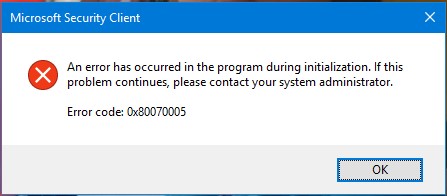
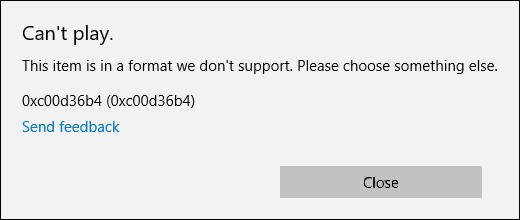
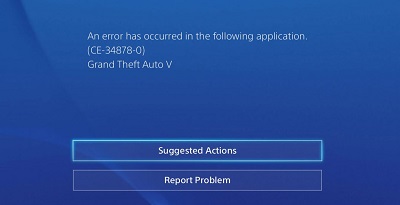
Error code 0xc0000005 is a common Windows error that may occur when opening a program, using an application, installing updates, or performing a Windows installation. It usually indicates that a program or system process has encountered a problem while accessing the resources it needs to run properly.

Depending on the situation, this error may cause apps to crash, prevent programs from starting, or even trigger blue screen issues. In this guide, we'll cover the common causes of error 0xc0000005 and walk you through practical solutions.

What Is Error Code 0xc0000005?

Error code 0xc0000005 is a Windows error that can occur when opening programs, running applications, installing updates, or setting up Windows. The exact symptoms depend on when the error appears and what part of the system is affected.

1. Access Violation Error 0xc0000005

Access Violation Error 0xc0000005 usually appears when a program or Windows process tries to access a memory area it cannot use. You may see messages such as "Exception: Access Violation (0xc0000005)" or "Exception code: 0xc0000005" in crash reports or Event Viewer.

0xc0000005 exception access violation

The affected application may freeze, close unexpectedly, or crash repeatedly. This issue is commonly linked to corrupted system files, driver problems, software conflicts, or unstable hardware.

2. Application Error 0xc0000005

Application Error 0xc0000005 appears when a program cannot start correctly. The most common message is "The application was unable to start correctly (0xc0000005). Click OK to close the application."

the application was unable to start correctly 0xc0000005

It usually affects a specific application and may be caused by damaged program files, missing components, compatibility issues, or incorrect permissions.

3. Windows Update Error 0xc0000005

Windows Update Error 0xc0000005 appears when Windows fails during the update process. The update may stop installing, fail repeatedly, or roll back after a restart.

This type of error is often related to damaged update files, corrupted system components, security software interference, or problematic updates.

4. Windows Installation Error 0xc0000005

Windows Installation Error 0xc0000005 appears during Windows installation, upgrade, or repair. The setup process may stop while copying files or preparing the installation and display the message: "Windows installation encountered an unexpected error. Error code: 0xc0000005."

install windows error code 0xc0000005

It may happen because of issues with the installation media, destination drive, RAM, or hardware compatibility.

How to Fix Error Code 0xc0000005 in Windows 10/11?

The best fix depends on when error 0xc0000005 appears. Start with the simpler solutions first, then move to system, hardware, and installation checks if the problem continues. If there are important files, make a hard drive recovery may be your priority.


💡 Where should you start?

If one app will not open, start with Methods 2 and 3. If an app or game crashes while running, start with Methods 4, 6, and 7. If several apps crash, start with Methods 4-9. For a Windows Update error, go to Method 11. For a Windows installation error, go to Method 14.

Method 1. Restart the PC and Check the Error Scope

A restart can clear a temporary memory or process problem. Before changing Windows settings, check whether the error affects one application or several parts of the system.

  • Save any open work and restart the computer.

  • Open the affected app or repeat the action that triggered the error.

  • Test another app to determine whether the problem affects one program or several programs.

  • If only one app fails, continue with Method 2. If several apps fail, continue with Method 4.

Method 2. Repair or Reinstall the Affected Application

If only one program displays "The application was unable to start correctly (0xc0000005)," its local files are the most likely place to start. Repairing the app can replace damaged components without removing the entire installation.

  • Press Windows + I to open Settings.

  • Go to "Apps" > "Installed apps" and find the affected program.

    installed apps advanced options
  • Select "Advanced options" and choose "Repair" if the option is available.

    repair the installed app
  • If Repair is unavailable or does not fix the issue, uninstall the app and reinstall it from the official website.

  • Restart Windows and test the application again.

💡 Tip:

For games, use the launcher option to verify or repair game files before reinstalling the whole game. You can also temporarily disable trusted overlay tools to check for conflicts.

Method 3. Run the App as Administrator or in Compatibility Mode

An older application may fail because it lacks permission or expects an earlier Windows environment. Use administrator access only for an application you trust.

  • Right-click the application's shortcut or executable file and select "Properties."

  • Open the "Compatibility" tab.

  • Select "Run this program as an administrator."

    run this program as administrator
  • If the app is old, select "Run this program in compatibility mode for" and choose an earlier Windows version.

  • Select "Apply" > "OK," and then open the app again.

Method 4. Run DISM and SFC to Repair Windows Files

Corrupted Windows files can cause applications and Windows processes to crash. Run DISM first to repair the Windows component store, and then run SFC to check and replace damaged system files.

  • Press Windows + S, type "Terminal," and select "Run as administrator."

  • Enter DISM /Online /Cleanup-Image /RestoreHealth and press Enter.

    run the dism tool for fixing error
  • After DISM completes, enter sfc /scannow and press Enter.

    repair system files with command prompt
  • Wait for the scan to finish, restart the PC, and check whether the error is fixed.

📝 Note:

Keep the computer connected to power and do not close Terminal while DISM or SFC is running.

Method 5. Scan Windows for Malware

Malware can damage application files, Windows components, or permissions. Windows Security provides built-in scans that can help rule out this cause.

  • Press Windows + S, type "Windows Security," and open it.

  • Select "Virus & threat protection" > "Scan options."

    virus threat protection
  • Choose "Full scan" and select "Scan now."

    full scan virus threat protection
  • If the error continues or malware is strongly suspected, run "Microsoft Defender Offline scan."

  • Follow the removal instructions, restart Windows, and check for the error again.

Method 6. Perform a Clean Boot

A clean boot starts Windows with only essential Microsoft services. It can identify conflicts caused by antivirus tools, overlays, startup utilities, or other third-party software.

  • Press Windows + R, enter msconfig, and press Enter.

    open system configuration
  • Open the "Services" tab and select "Hide all Microsoft services."

  • Select "Disable all."

    check hide all microsoft services
  • Open the "Startup" tab, select "Open Task Manager," and disable enabled startup items.

    click open task manager
  • Restart the computer and test the affected app.

  • If the error disappears, re-enable services and startup items in small groups to identify the conflict.

📝 Note:

Return to System Configuration and restore normal startup after testing. A clean boot is a diagnostic state, not a permanent configuration.

Method 7. Update or Roll Back Device Drivers

Graphics, chipset, storage, and other device drivers can trigger access violations when they are outdated, damaged, or incompatible. If the error began after a driver update, rolling back may be more useful than installing another update. Start by updating the drivers.

  • Press Windows + X and select "Device Manager."

  • Expand the relevant category, such as "Display adapters," "Disk drives," or "Storage controllers."

  • Right-click the device and select "Update driver" > "Search automatically for drivers."

    update usb driver device manager
  • For graphics, chipset, or storage drivers, also check the PC or device manufacturer's official support page.

  • If the error began after an update, open "Properties" > "Driver" and select "Roll Back Driver" when available.

    roll back usb driver
  • Restart the PC and test the affected app or game.

Method 8. Add a DEP Exception for a Trusted App

Data Execution Prevention protects Windows from code that runs in restricted memory areas. If a trusted older application has a confirmed DEP compatibility problem, add an exception for that app only.

  • Press Windows + R, enter sysdm.cpl, and press Enter.

  • Open the "Advanced" tab and select "Settings" under "Performance."

  • Open the "Data Execution Prevention" tab.

    dep exception settings
  • Select "Turn on DEP for all programs and services except those I select."

    turn on dep for all programs and services except those i select
  • Select "Add," choose the trusted application's executable file, and select "Apply" > "OK."

    add executable file
  • Restart Windows and test the app.

Warning:

Do not disable DEP system-wide. Remove the app exception if it does not solve the error.

Method 9. Run Windows Memory Diagnostic

Test the RAM if crashes affect several programs, appear randomly, cause blue screens, or interrupt Windows installation. Windows Memory Diagnostic can identify common memory problems.

  • Press Windows + R, enter mdsched.exe, and press Enter.

  • Select "Restart now and check for problems."

    restart now and check for problems option
  • Allow the PC to restart and complete the memory test.

  • Review the result after Windows starts. If errors are reported, turn off the PC and seek help with reseating, testing, or replacing the RAM.

Method 10. Run CHKDSK to Check Drive Errors

Use CHKDSK when the error appears with file-access problems, drive warnings, or Windows installation failure. Because a failing drive can worsen during heavy scanning, back up accessible files first.

Important:

If the drive is making unusual noises, disconnecting, or already missing files, recover important data before running CHKDSK.

  • Press Windows + X and select "Terminal (Admin)."

  • Enter chkdsk X: /f /r and press Enter. Replace "X:" if Windows or the affected files are on another drive.

    run the chkdsk prompt
  • If Windows asks to schedule the scan, enter Y and restart the PC.

  • Allow CHKDSK to finish, and then test the affected app or installation again.

If error 0xc0000005 appears during Windows Update, use the following update-specific methods.

Method 11. Run the Windows Update Troubleshooter

The built-in troubleshooter checks common update service and configuration problems. Its location differs slightly between Windows 11 and Windows 10.

  • Press Windows + I to open Settings.

  • In Windows 11, go to "System" > "Troubleshoot" > "Other troubleshooters."

  • In Windows 10, go to "Update & Security" > "Troubleshoot" > "Additional troubleshooters."

  • Find "Windows Update," select "Run," and apply the recommended changes.

    run the troubleshooter windows update
  • Restart the PC and try the update again.

Method 12. Uninstall a Recent Windows Update

Use this method only if 0xc0000005 began immediately after a recent Windows update. Removing the update can restore the previous working configuration while Microsoft prepares a replacement.

  • Press Windows + I and open "Windows Update."

  • Select "Update history" > "Uninstall updates."

    uninstall kb5074109
  • Find the most recent update installed before the error started.

  • Select "Uninstall," restart the PC, and test the affected app or update process.

Method 13. Use System Restore

System Restore can return Windows files, drivers, and settings to an earlier state without normally deleting personal files. It is useful when the exact recent change is unclear.

📝 Note:

System Restore normally keeps personal files, but it may remove apps, drivers, and updates installed after the selected restore point.

  • Press Windows + R, enter rstrui, and press Enter.

  • Select "Next" and choose a restore point created before the error began.

    restore system to fix missing taskbar
  • Select "Scan for affected programs" to review apps and drivers that may be removed.

  • Select "Finish" and allow Windows to complete the restore.

This method can also fix error code 0xc00000e. If the error appears while installing or upgrading Windows, check the installation media and hardware using the following methods.

Important:

Back up or recover important files before changing partitions, creating installation media, or reinstalling Windows. Creating Windows installation media will erase the selected USB drive, so confirm the correct device before continuing.

Method 14. Recreate the Windows Installation USB

A corrupted Windows image or unreliable USB drive can prevent Setup from reading required files. Creating fresh installation media can help fix damaged setup files.

  • On a working PC, download the Windows Media Creation Tool from Microsoft's official website.

    windows installation media creation tool
  • Connect a blank USB drive with enough capacity and copy any existing files from it first.

  • Open the Media Creation Tool and choose "Create installation media."

  • Select the correct language, edition, and architecture, and create the USB.

  • Connect the new USB to the affected PC and retry Windows Setup.

Method 15. Check the Target Drive and Hardware Connections

Windows Setup requires a stable connection to the installation drive. A faulty drive, loose connection, or incompatible hardware may interrupt the installation process.

  • Turn off the PC and disconnect unnecessary USB devices.

  • If possible, check that storage and power cables are properly connected.

  • Run hardware diagnostics from your PC or drive manufacturer's support tools.

  • If needed, run Windows Memory Diagnostic to check for RAM issues.

  • Retry Windows installation.

Method 16. Restore Default Memory and BIOS Settings

Unstable memory settings or overclocking can cause Windows installation failures. Reset BIOS settings only when other solutions do not work.

  • Check your PC or motherboard manufacturer's instructions.

  • Enter BIOS or UEFI during startup.

  • Load default settings or disable XMP/EXPO if enabled.

  • Save the changes, restart the PC, and retry Windows Setup.

How to Recover Lost or Inaccessible Files After Error 0xc0000005?

Error code 0xc0000005 usually affects applications or Windows processes and does not directly delete your files. However, data may become inaccessible when the error is linked to system crashes, drive problems, failed Windows installation, or major system changes.

Consider recovering your files first if you encounter any of these situations:

  • Windows cannot start normally: Error 0xc0000005 prevents you from accessing files stored on the system drive.
  • System crashes or blue screens: Repeated crashes make important documents, photos, or other files inaccessible.
  • Windows installation fails: You need to reinstall Windows but still have important files on the drive.
  • Drive errors appear: Disk problems cause files to disappear, become unreadable, or fail to open.
  • Files are lost during repair: Formatting, partition changes, or system recovery accidentally remove important data.

4DDiG Data Recovery is designed to recover files from inaccessible drives, crashed systems, and situations where Windows cannot be accessed normally. It supports recovering documents, photos, videos, and other files before you continue with repair or reinstallation.

It supports multiple recovery scenarios. You can scan the drive directly when Windows starts normally, use the "Crashed PC" option when error 0xc0000005 prevents booting, or create a disk image first if the drive shows signs of failure.

FREE DOWNLOAD

secure download Secure Download

FREE DOWNLOAD

secure download Secure Download

Follow these steps to recover files affected by error 0xc0000005 with 4DDiG:

  • Download and launch 4DDiG. Select the drive where the lost files were stored, then start scanning.

    Launch 4DDiG and select a location to scan
  • After scanning, use filters and search features to find missing files faster. You can filter by file type, name, or path to locate the data you need.

    Filter files in 4DDiG
  • Preview the recoverable files before restoring them. Select the files you need and click "Recover."

    Preview recoverable files in 4DDiG
  • Choose another drive or folder to save the recovered files. Avoid saving them to the original location to prevent overwriting other recoverable data.

    Save recovered files to another location

Tips to Prevent Error 0xc0000005 from Happening Again

While error 0xc0000005 can have different causes, regular maintenance and safe computing habits can help reduce the chance of application crashes and system problems.

  • Keep Windows and device drivers updated to avoid compatibility issues and system conflicts.
  • Install applications only from trusted sources to avoid corrupted files or malware infections.
  • Run regular malware scans to protect system files and running processes.
  • Check RAM and storage health if crashes happen frequently or without a clear reason.
  • Avoid unsafe registry changes, unstable overclocking, or unknown system optimization tools.
  • Back up important files regularly in case system crashes or drive issues make data inaccessible.

Conclusion

Error code 0xc0000005 can be caused by different issues, including application problems, corrupted system files, driver conflicts, or hardware failures. Identify when the error appears first, then choose the fix that matches your situation.

If the error has made files inaccessible or prevents Windows from starting, recover important data before making major changes such as reinstalling Windows or modifying partitions. This helps protect your files while you continue fixing the underlying problem.

FREE DOWNLOAD

secure download Secure Download

FREE DOWNLOAD

secure download Secure Download

FAQs About Error Code 0xc0000005

How do I fix "The application was unable to start correctly (0xc0000005)"?

Repair or reinstall the affected app first. If the error continues, try compatibility mode, run DISM and SFC, or perform a clean boot to find software conflicts.

Can faulty RAM cause error 0xc0000005?

Yes. Faulty RAM can cause app crashes, blue screens, update failures, and installation errors. Run Windows Memory Diagnostic to check for memory problems.

Can malware cause exception code 0xc0000005?

Yes. Malware can damage files, change permissions, or interfere with Windows processes. Run a full malware scan to rule out this cause.

Is it safe to disable DEP to fix 0xc0000005?

No. Avoid disabling DEP system-wide. For a trusted app, add a DEP exception only if it has a confirmed compatibility issue.

How do I fix 0xc0000005 during Windows Update or installation?

Run the Windows Update troubleshooter, repair system files, or recreate the installation USB. Check your drive and RAM if the error continues.

Can error 0xc0000005 cause data loss?

The error does not usually delete files. However, files may become inaccessible after crashes, drive issues, or failed installations. Recover important data before major repairs.

Why does a game crash with exception code 0xc0000005?

Game crashes are often caused by damaged game files, outdated drivers, overlays, or software conflicts. Verify game files and update or roll back your graphics driver.

William Bollson (senior editor)

William Bollson, the editor-in-chief of 4DDiG, devotes to providing the best solutions for Windows and Mac related issues, including data recovery, repair, error fixes.

(Click to rate this post)

You rated 4.5 ( participated)