Fix The Request Failed Due to A Fatal Device Hardware Error - 9 Ways

5 mins read

Updated on 2026-01-22 16:46:55 to Windows Fix

When trying to access a hard drive, USB flash drive, or external storage device, Windows may display the error message the request failed due to a fatal device hardware error. Once this happens, the device may become inaccessible, files may fail to copy, and the system may no longer recognize the storage properly.

While it sounds serious, it does not always mean the device is physically damaged beyond repair. So, don't panic. In this article, we’ll explain what causes this error. how to fix it and recover your data safely.

the request failed due to a fatal device hardware error

What Does the Fatal Device Hardware Error Mean?

“The request failed due to a fatal device hardware error” means that Windows was unable to read from or write to a storage device because the device failed to respond correctly at the hardware level.

This error usually appears when Windows detects a serious communication problem between the system and the storage device, such as a hard drive, external HDD, SSD, USB flash drive, or SD card. The failure happens before Windows can process files, which is why the device may become inaccessible. Common reasons include:

  • Bad sectors on the drive: When Windows tries to read data from damaged sectors, the operation may fail, triggering the hardware error.
  • A faulty hardware cable connection: The data transfer may fail due to a malfunctioning data cable, which may result in this error.
  • USB issues: A damaged or unstable port can interrupt communication between the device and the computer.
  • File system corruption: A corrupted or unsupported file system can prevent Windows from accessing the device correctly.
  • A failing storage device: Drives may intermittently stop responding to system requests dur to aging.

▼When this error occurs, you may run into the following problems:

  • Files failing to copy, open, or delete
  • The drive showing up as RAW or not opening at all
  • Disk Management detecting the device but marking it as unreadable
  • Repeated error messages during access attempts

As said, a fatal device hardware error does not automatically mean your data is lost. Let's see how to fix this problem without damaging your data.

Fix The Request Failed Due to a Fatal Hardware Error (Simple Ways)

As mentioned earlier, this error may be caused by a hardware issue with the device, drive, or cable. Before we move on to more technical solutions, try the basic steps listed below. The problem may be resolved by one of these simple fixes, so it’s worth checking them first.

1 Check Connections

A faulty connection can cause the fatal device hardware error on Seagate/WD passport drive. If the cable, USB port, or connection is unstable, Windows may fail to communicate with the drive, causing the error to appear. That's why you can start by checking the cable and port, then reconnect the device to rule out a simple connection issue.

  • Disconnect the device from your computer.
  • Check the cable for any visible damage, bends, or loose ends.
  • Reconnect the device firmly to a different USB/SATA port.
  • Try a different cable (if available) to see if the cable is damaged.

2 Try the Device on Another Computer

If the device still shows the fatal hardware error after checking the cable and port, the next step is to test it on another computer. This helps determine whether the issue is caused by your PC’s hardware or software, or if the storage device itself is failing.

If the device works on another system, the problem is likely with your computer’s connection, drivers, or settings. If it still fails, the device may be damaged or corrupted.

3 Restart Your Windows

Sometimes the error is caused by temporary system glitches or driver conflicts that prevent Windows from communicating with the device. Restarting your computer refreshes system processes and hardware connections, often resolving the issue without further troubleshooting.

the request failed due to a fatal device hardware error
  • Disconnect the affected storage device from your computer.
  • Click "Start > Power > Restart".
  • Wait for Windows to fully reboot.
  • Reconnect the device to the computer after the system restarts. Double-click the drive again and see if the error still appears.

If the error still appears, the issue is likely related to Windows itself or the disk’s software structure. Next, we’ll move on to system-level fixes like driver updates and disk repair tools.

Fix The Request Failed Due to a Fatal Device Hardware Error (Advanced Solutions)

The advanced solutions below focus on repairing the drive and restoring proper communication between Windows and the device. Let's walk through them step-by-step.

1 Run Error Checking

Windows has a built-in tool that can scan your drive for logical errors and repair issues that prevent normal access. If there is disk corruption or bad sectors causing the error, running error checking can often fix the problem without requiring third-party software. Now, let's proceed to the steps.

  • Press Win + E and navigate to "This PC", then right-click the affected drive.
  • Select "Properties > Tools" tab. Under "Error checking", click "Check". error checking the drive
  • If prompted, choose "Scan drive", which will take a few minutes. error checking scan drive
  • Wait for the process to complete, then restart your computer to check if the error is resolved.

2 Assign a New Drive Letter

Windows may fail to access a storage device if its drive letter is missing or conflicting with another drive. Assigning a new drive letter can restore normal access and resolve the fatal hardware error in cases where the system cannot properly recognize the device. Here's how to do.

  • Press Win + X and select Disk Management. click disk management on windows
  • Locate the affected drive in the list of disks.
  • Right-click the drive’s partition and choose "Change Drive Letter and Paths". change driver letter and paths sd card
  • Click "Change". then select a new drive letter from the dropdown menu. add drive letter or path sd card
  • Confirm the change and close the windows to check whether the drive can be accessed normally.

💡 Data Recovery Tips:

This fatal device hardware error can affectexternal hard drive/local drive/SD card/USB flash drive and more. If not addressed promptly, it may lead to data loss. If you need to get back important data quickly, try 4DDiG data recovery software. It can recover lost/deleted files even when the drive is formatted, crashed, or become inaccessible.


3 Update or Reinstall Disk Driver

If changing the drive letter didn’t restore access, the problem may lie deeper in Windows’ communication with the device. Outdated or corrupted disk driver can prevent the system from reading the drive correctly. Updating or reinstalling the driver may fix this and resolve the fatal hardware error.

  • Press Win + X and select Device Manager. open the device manager
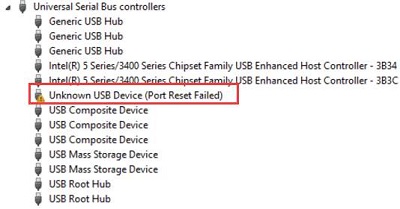
  • Expand Disk drives (or Universal Serial Bus controllers if the device is USB).
  • Right-click the affected device and choose "Update driver". update driver sd card windows
  • Select "Search automatically for drivers" and follow the prompts. search automatically for drivers windows
  • If updating doesn’t help, right-click the device again and choose "Uninstall device".
  • Restart your computer to let Windows reinstall the driver automatically.
  • Reconnect the device and check if this solution can fix the fatal device hardware error.

4 Run CHKDSK to Fix Disk Errors

There is one possibility that the issue may be rooted in the drive’s file system or physical sectors rather than Windows settings. At this stage, it’s important to check the disk for errors that can cause read/write failures.

CHKDSK is a built-in Windows utility designed to scan the drive and repair file system corruption, which can often fix the request failed to a fatal hardware error and let the system access your drive again.

  • Press Win + S, type Command Prompt, then right-click and select "Run as administrator".
  • In the Command Prompt window, type: chkdsk X: /f /r (Replace X with the drive letter of the affected device), then press Enter. chkdsk x f r
  • Wait for CHKDSK to complete the scan and repair process.

5 Initialize the Disk

If the disk is detected but still cannot be accessed, it may be because the drive is not initialized or its partition information is missing. Initializing the disk can create the necessary partition structure so Windows can recognize and use the device properly.

Therefore, it is recommended to verify whether the hardware device has been initialized. If it has not been initialized, follow the steps below to initialize it.

  • Open Disk Management again and locate the affected disk (it will show as Not Initialized).
  • Right-click the disk and select "Initialize Disk". initialize disk
  • Choose a partition style: MBR for older devices or drives under 2TB; GPT for newer systems and larger drives. initialize disk mbr gpt
  • Confirm and start the initialization. After that, right-click the unallocated space and select "New Simple Volume" to create a partition. click to create new simple volume
  • Follow the wizard to assign a drive letter and format the partition. format the partition settings
  • When all done, check if the device is accessible now.
notes

After initializing a disk, the drive still has no partition or file system, so Windows cannot store or access files yet. So you must create a partition and format it before the disk can be used. And this is a must-step if you have:

  • A brand-new hard drive/SSD
  • A disk that has lost its partition table
  • A disk showing as Unallocated after initialization

However, if the disk already has a partition and file system (for example, it was previously used), you may only need to initialize it, and Windows will automatically recognize the existing partition.

6 Format the Drive

If you run into the request failed due to a fatal device hardware error when initializing disk, the previous method may not work. In that case, the last resort should be formatting the drive.

Formatting can rebuild the file system and restore normal use, so it's also useful in resolving the hardware device error. However, it will erase all data on the device, so you should only do this if you've made a full backup or you can try to recover all important data later.

  • Right-click the device that shows the error, and select "Format". format sd card via file explorer
  • Choose the File System (NTFS for Windows, exFAT for cross-platform use) you need.
  • Keep Allocation unit size as Default.
  • If you want a faster process, check "Quick Format" or you can leave it unchecked for a full format. quick format sd card via file explorer
  • Start the process and wait for it to complete.

Recover Data from a Storage Drive with Fatal Hardware Error

If the drive still shows the fatal hardware error and you have important files on it, your priority should be data recovery before attempting any risky fixes like formatting.

Works on both Windows and Mac, 4DDiG Data Recovery supports recovering data from corrupted, damaged, or inaccessible drives, including those affected by fatal hardware errors. It can scan the storage device deeply, detect recoverable files, and restore them even when Windows cannot access the drive normally.

FREE DOWNLOAD

Secure Download

FREE DOWNLOAD

Secure Download

If you need to recover photos, videos, documents, or other important data from a problematic drive, 4DDiG provides a fast and user-friendly solution that avoids the risk of losing files permanently.

What can 4DDiG do for you:

  • 📁 Supports Multiple Data Types: Restore 2,000+ file types, including documents, photos, videos, audio, and emails...
  • 💾 Various Storage Support: Recover files from HDD/SSD, USB drive, SD card, external drives(Seagate/WD passport) and more.
  • 🔧 Different Scenarios: It can recover data lost in many situations, such as accidental deletion, formatting, lost partitions, or a crashed computer.
  • 👁️ Free Preview: Lets you preview the recoverable files before the recovery process.
  • 🔍 Deep Scan: Locate files even in severely corrupted or damaged drives.
  • ☺️ User-Friendly Interface: Simple and intuitive design suitable for both beginners and advanced users.

Steps to use 4DDiG for drive data recovery:

  • Launch 4DDiG Data Recovery on your computer and choose the storage device that shows the fatal device hardware error. launch 4ddig and enter interface
  • In the left panel, switch to the “Type” view and select the specific file categories you want to recover, such as photos, videos, or documents. click type to see all files 4ddig
  • Wait for the scan to finish. Once completed, browse through the found files and use the preview feature before recovery. When you’re ready, click “Recover.” preview and recover the files
  • Choose a safe location on a different drive to save the recovered files. Avoid restoring data to the original device, as overwriting data on a faulty drive can reduce recovery success. save the recoverable files

Conclusion

The error “The request failed due to a fatal device hardware error” doesn’t always indicate permanent damage. In many cases, it can be resolved by working through the fixes introduced in this article in order.

If the drive is still inaccessible and contains important data, using a recovery tool like 4DDiG Windows Data Recovery can help retrieve your files before further action. Acting early improves both recovery success and data safety!

FREE DOWNLOAD

Secure Download

FREE DOWNLOAD

Secure Download

William Bollson (senior editor)

William Bollson, the editor-in-chief of 4DDiG, devotes to providing the best solutions for Windows and Mac related issues, including data recovery, repair, error fixes.

(Click to rate this post)

You rated 4.5 ( participated)