How to Recover an Unsaved Power BI File in 4 Easy Ways

5 mins read

Updated on 2026-07-27 18:10:09 to Data Recovery

Losing hours of work in Power BI Desktop can be frustrating, but an unsaved report may not be permanently lost. Depending on how the file was closed or damaged, you may still recover it from Power BI Auto Recovery files, the TempSaves folder, previous file versions, or data recovery software.

This guide explains how to recover an unsaved Power BI file after a crash, unexpected shutdown, accidental closure, or file corruption. Avoid deleting temporary files or saving new data to the same drive before completing the recovery process.

how to recover an unsaved power bi file

What Is a Power BI File?

Power BI Desktop saves reports as files with the ".pbix" extension. A PBIX file can include report pages, visuals, Power Query transformations, data models, relationships, measures, and imported data.

When Power BI Desktop closes unexpectedly, unsaved changes may still exist in AutoRecovery files or temporary storage. However, AutoRecovery is not a replacement for saving the main PBIX file and only keeps recovery information for recent work.

How to Recover an Unsaved Power BI File?

The right recovery method depends on how the Power BI file was lost. For crashes or unsaved changes, start with AutoRecovery and TempSaves. For overwritten reports, check previous versions or Power BI Service. If a saved PBIX file was deleted or lost from a drive, use a data recovery tool.

File Loss Scenario Recommended Starting Point
💥 Power BI Crashed or PC Shut Down Unexpectedly Reopen Power BI Desktop and check the recovered files panel, then inspect the AutoRecovery folder.
📁 Report Closed Without Saving Check AutoRecovery first, followed by the TempSaves folder. Recovery is not guaranteed after selecting "Don't Save."
🔄 PBIX Was Overwritten or an Earlier Version Is Needed Check Power BI Service, OneDrive or SharePoint version history, and Windows Previous Versions.
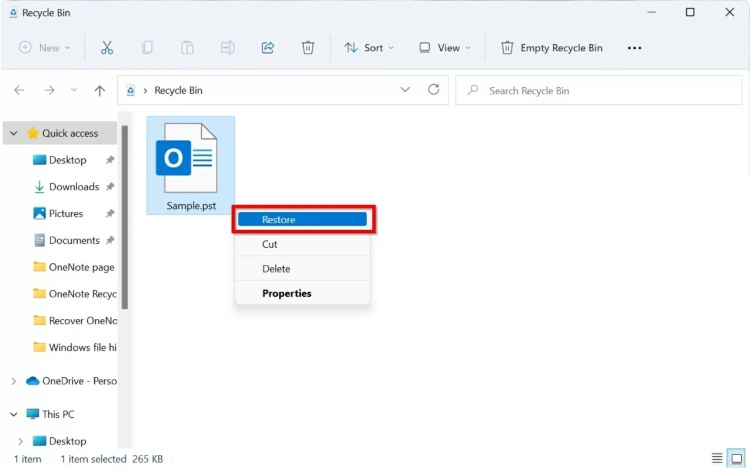
🗑 Previously Saved PBIX Was Deleted Check the Recycle Bin and backups first. If no copy exists, scan the original drive with 4DDiG.
⚠ Corrupted or Empty PBIX File Look for an AutoRecovery, TempSaves, cloud, historical, or published copy instead of relying on the damaged file itself.

1 Recover with Power BI AutoRecovery

Applicable Cases:

Use this method when Power BI Desktop crashed, Windows restarted unexpectedly, the computer lost power, or Power BI displays recovered files the next time it opens.

Power BI AutoRecovery is usually the first option to try because it is designed to preserve recent work after an abnormal shutdown. The recovered copy may not include changes made after the last recovery interval, so inspect it before replacing any existing PBIX file.

  • Launch Power BI Desktop directly instead of repeatedly opening the incomplete or corrupted PBIX file. If a recovered files notice appears, choose "View recovered files."

  • Open the most recent recovery file and check whether the expected report pages, queries, measures, relationships, and data model are present.

  • If no recovery notice appears, go to "File > Options and settings > Options > Save and Recover," and select "Open auto recovery folder."

    power bi recover unsaved file
  • To check manually, press Windows + R, enter "%localappdata%\Microsoft\Power BI Desktop\AutoRecovery", and press Enter. For the Microsoft Store version, also check "%userprofile%\Microsoft\Power BI Desktop Store App\AutoRecovery".

  • Sort the files by "Date modified," copy the newest relevant candidate to a safe folder, and open the copy in Power BI Desktop.

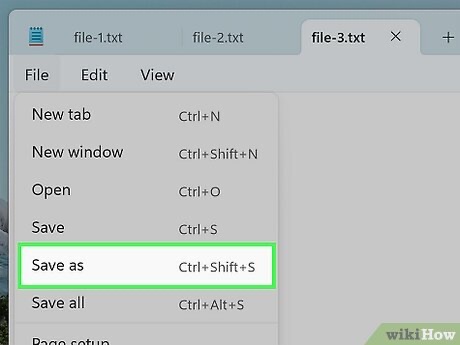
  • Once the report opens correctly, select "File > Save As" and save it under a new name before continuing to edit it.

📝 Note:

Power BI AutoRecovery is an emergency recovery feature, not a complete backup or a replacement for manually saving the PBIX file. Recovery depends on the configured interval, available recovery data, and how Power BI closed.

2 Recover from the TempSaves Folder

Applicable Cases:

Use this method when the AutoRecovery panel does not show your report, the AutoRecovery folder is empty, or you need to look for temporary files created during the lost session.

Power BI Desktop may create temporary files in the TempSaves folder during editing. These files are not guaranteed to contain a complete report, but they are worth checking after a crash or accidental closure.

  • Press Windows + R to open the Run dialog.

  • Enter "%localappdata%\Microsoft\Power BI Desktop\TempSaves" and press Enter.

  • In File Explorer, switch to "Details" view and sort the folder by "Date modified" from newest to oldest.

    recover unsaved power bi from temporary files folder
  • Look for files created or updated near the time the work was lost. Compare file sizes and avoid relying on an empty or unusually small candidate.

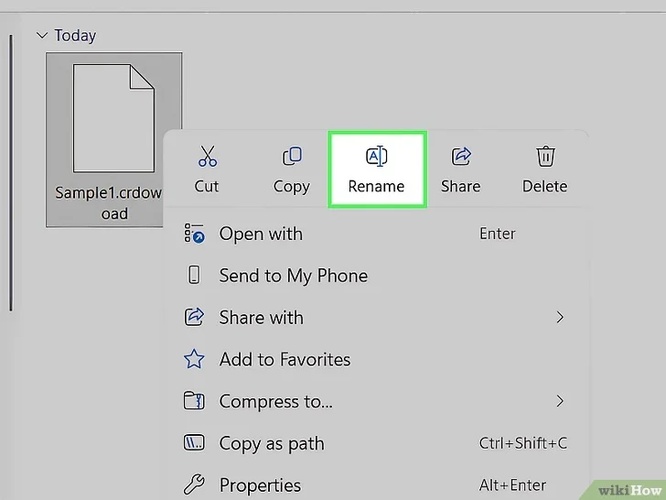
  • Copy the candidate file to another folder before opening or renaming it. If necessary, add the ".pbix" extension to the copy, not the only remaining temporary file.

  • Open the copied file in Power BI Desktop, verify its contents, and immediately save it as a new PBIX file.

💡 Tip:

If the folder path does not exist, use the "Open auto recovery folder" option inside Power BI to confirm the recovery location configured for your installation.

3 Recover a Previous Version of a Power BI File

Applicable Cases:

Use this method when the PBIX was saved before but recent changes were overwritten, the local file is missing, the report was published to Power BI Service, or the file was stored in OneDrive, SharePoint, or a Windows backup location.

A previous complete copy is usually safer than attempting to repair an incomplete recovery file. Check every location where the PBIX may have been synchronized, published, or backed up.

#Option 1: Download the PBIX from Power BI Service

power bi service
  • Sign in to Power BI Service and open the workspace that contains the published report.

  • Open the report menu and check whether the option to download the ".pbix" file is available.

  • Download the file to a new location and open it in Power BI Desktop to confirm that it contains the required version.

#Option 2: Restore OneDrive or SharePoint Version History

  • Open the OneDrive or SharePoint location where the PBIX was stored.

  • Select the file's "Version history" and locate a version saved before the unwanted overwrite or corruption.

  • Download the earlier version or restore it to a separate location first, then verify it in Power BI Desktop.

#Option 3: Use Windows Previous Versions or File History

  • Press Windows + E and browse to the folder that previously contained the PBIX.

  • Right-click the file or its folder, select "Properties," and open the "Previous Versions" tab.

  • If an earlier version is available, use "Open" or "Copy" to inspect it before choosing "Restore."

💡 Tip:

Recover an earlier version to a different folder whenever possible. This prevents an older copy from overwriting a newer file before you compare them.

4 Recover a Lost or Unsaved Power BI File with 4DDiG Data Recovery

Applicable Cases:

Use this method when Power BI AutoRecovery and TempSaves do not show your report, or when the PBIX file was previously saved and later deleted, formatted, moved, or lost from an HDD, SSD, USB drive, or other storage device.

If Power BI AutoRecovery, TempSaves, and available backup options cannot find your report, you can still try recovering the lost PBIX file with 4DDiG File Recovery. It can scan storage locations and temporary file folders to help locate files that are no longer visible in their original location.

This method is useful when a PBIX file disappears after a crash, unexpected shutdown, accidental deletion, formatting, or other storage issues.

It supports more than 2,000 file types including unsaved Word documents, Excel files, PDF, PowerPoint and more, and uses deep scanning to search for recoverable file data that may still remain on the storage device.

FREE DOWNLOAD

Secure Download

FREE DOWNLOAD

Secure Download

Steps to recover an unsaved or lost PBIX file with 4DDiG:

  • Download and launch 4DDiG. Select the drive or folder where the PBIX file was stored or where Power BI temporary files may exist, then start scanning.

    Launch 4DDiG and select a location to scan
  • After scanning, use the filter and search features to find the missing Power BI report. Enter ".pbix" in the search box or filter results by file type, name, path, size, and modification date to locate the target file.

    click the unsaved file 4ddig
  • Preview the recoverable PBIX file before restoring it. Check whether the report contains the expected pages, queries, measures, and data model, then click "Recover" to restore the file.

    Preview the recoverable PBIX file
  • Choose another drive or folder to save the recovered PBIX file and click "Save Now". Avoid saving it to the original location to prevent recovered data from being overwritten.

    save the recovered PBIX file to another location

How to Configure Power BI AutoRecovery

Power BI AutoRecovery is one of the first places to check when a report is lost after a crash or unexpected shutdown. After recovering your file, configuring AutoRecovery settings properly can help preserve more recent changes and reduce the amount of work lost in future incidents.

AutoRecovery cannot replace regular manual saves, but Power BI lets you adjust the recovery interval and confirm where recovery files are stored.

  • Launch Power BI Desktop and go to "File > Options and settings > Options."

  • Select "Save and Recover" in the left panel. Enable the available AutoRecovery options and adjust how frequently Power BI creates recovery information.

    enable power bi autorecovery options
  • Confirm the AutoRecovery file location. This is the same folder you can check manually when trying to recover an unsaved Power BI report after a crash. Make sure the folder is accessible and has enough free space.

  • Click "OK" to save the settings. Restart Power BI Desktop if required for the changes to take effect.

    save power bi autorecovery settings

What to Do If Power BI Recovery Fails?

If the methods above do not restore a usable report, check the failure type before trying further recovery steps. Avoid modifying the original file or saving new data to the affected drive until you finish troubleshooting.

No Recovery File Can Be Found

If AutoRecovery or TempSaves does not contain your report, confirm the recovery folder location in "File > Options and settings > Options > Save and Recover." Also check whether a cloud copy, previous version, published report, or recoverable file still exists.

The Recovered PBIX File Cannot Be Opened

First, make a copy of the recovered file and troubleshoot only the copy. Check that the file size is normal, update Power BI Desktop, and try opening it through "File > Open." If the file remains unreadable, use another available version instead of repeatedly modifying the damaged PBIX.

The Recovered File Is Missing Recent Changes

AutoRecovery saves recovery information at intervals, so the restored file may not include the latest edits before the crash. Compare the timestamps of AutoRecovery files, TempSaves copies, Power BI Service reports, and cloud version history to find the most complete version.

Closing Words

For an unsaved Power BI file, start with AutoRecovery and TempSaves after a crash or unexpected shutdown. If an existing copy is available, restore it from Power BI Service, version history, or backups.

If no usable copy can be found, 4DDiG can help scan storage locations and temporary file folders for recoverable PBIX files or related data. After recovery, verify the report and save it as a new PBIX file.

FREE DOWNLOAD

Secure Download

FREE DOWNLOAD

Secure Download

FAQs about Recovering Unsaved Power BI Files

Q1: Where are Power BI AutoRecovery files stored?

The standard Power BI Desktop path is "%localappdata%\Microsoft\Power BI Desktop\AutoRecovery". The Microsoft Store version may use "%userprofile%\Microsoft\Power BI Desktop Store App\AutoRecovery". You can also confirm the location through "File > Options and settings > Options > Save and Recover > Open auto recovery folder."

Q2: Where are Power BI temp files stored?

Power BI Desktop commonly stores temporary working files in "%localappdata%\Microsoft\Power BI Desktop\TempSaves". You can open this location by pressing Windows + R, entering the path, and pressing Enter.

Q3: Can I recover a Power BI file that was never saved?

It depends on whether Power BI created recovery data before the report was closed. AutoRecovery or TempSaves may contain a recent copy, but if no recovery file was created and the data was never saved to storage, there may be nothing available to recover.

Q4: Can I recover a Power BI file after clicking "Don't Save"?

Check AutoRecovery and TempSaves immediately, but recovery is not guaranteed. After choosing "Don't Save," Power BI may remove temporary recovery data during a normal shutdown.

Q5: Does Power BI automatically save PBIX files?

No. Power BI AutoRecovery only creates temporary recovery information after unexpected interruptions. It does not continuously save and replace your main PBIX file, so use Ctrl + S regularly and keep backups or version history when possible.

Q6: Can I open a Power BI file in Excel?

No. Excel cannot directly open and edit a PBIX file as an Excel workbook. It can connect to some Power BI semantic models, but this does not recover or convert the original PBIX report.

William Bollson (senior editor)

William Bollson, the editor-in-chief of 4DDiG, devotes to providing the best solutions for Windows and Mac related issues, including data recovery, repair, error fixes.

(Click to rate this post)

You rated 4.5 ( participated)