How to Fix Problem Ejecting USB Mass Storage Device in 11 Ways

5 mins read

Updated on 2026-06-15 15:26:38 to USB Recovery

AI Summary TL;DR:

To resolve the "Problem Ejecting USB Mass Storage Device" error and prevent data loss, you must stop all active communication between the USB drive and Windows applications, hidden background processes, or system security scans.

  • Close all open programs and files, then try ejecting the drive directly from the "This PC" right-click menu.
  • Use Task Manager to end conflicting background processes or run the Windows Hardware and Devices Troubleshooter to detect and fix issues automatically.
  • You can also sign out and log back in to release locked files, temporarily disable antivirus software, or refresh the drive’s status by disabling/re-enabling it in Device Manager or changing its drive letter in Disk Management.
  • As a last resort, perform a full system shutdown to close all services, or reformat the drive to FAT32 for better compatibility.
  • Forcibly unplugging the USB risks file corruption and system errors. If data has already become inaccessible due to improper removal, recover your files with 4DDiG before attempting destructive fixes like formatting.
fix problem ejecting usb mass storage device

Many Windows users have experienced the "Problem Ejecting USB Mass Storage Device" error when trying to safely remove a USB drive. This issue often occurs if files or programs are still accessing the device, or if the system temporarily locks the drive. In this guide, we'll walk you through 11 effective methods to resolve this common problem.

What Does Problem Ejecting USB Mass Storage Device Error Mean?

The "Problem Ejecting USB Mass Storage Device" error usually appears when you try to safely remove a USB flash drive or external storage device using the "Remove Hardware" or "Eject" option in Windows. Instead of ejecting normally, the system blocks the action and shows a warning message. The error can show up in different forms, such as:

  • "This device is currently in use. Close any programs or windows that might be using the device and try again."
  • "Windows can't stop the 'Generic volume' device because it is in use."
  • "This device cannot be stopped now. Try stopping the device later."
problem ejecting usb mass storage device

These messages all mean the same thing: Windows cannot safely remove your USB drive because it detects that a program, file, or background service is still using it. To prevent data corruption or file loss, Windows blocks the eject action and displays the error until all usage is fully stopped.

What Causes the Problem Ejecting USB Mass Storage Device Error?

Many Windows errors are caused by simple reasons, and the USB mass storage device ejecting problem is no exception. It usually happens for several main reasons:

  • Files or Processes Still in Use: A program, file, or background process is still accessing the USB drive, so Windows blocks ejection to prevent data loss.
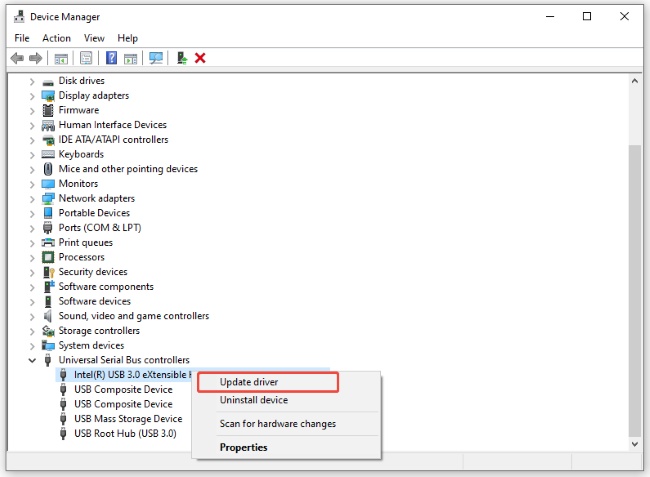
  • USB Driver Issues: A faulty or outdated USB driver can prevent Windows from properly communicating with the device, causing ejection failure.
  • File Explorer Activity: File Explorer or its preview/thumbnail features may still access files in the background, keeping the drive busy.
  • Antivirus or Security Scans: Antivirus software may be scanning the USB drive, and Windows will block ejection until the scan is finished.
  • Windows Background Services: Services like Windows Search or OneDrive may still be accessing files on the drive without your direct action.
  • Hidden System Processes or Write Cache: Windows may still be writing data in the background due to caching, so it prevents safe removal to avoid corruption.

These causes account for the USB error. The good news is that, there are proven methods to fix it and ensure safely ejecting USB drive from Windows. The following section will discuss about them.

How to Fix Problem Ejecting USB Mass Storage Device?

Video Guide: Fix Problem Ejecting USB Mass Storage Device

Before Trying the Fixes: Recover Data from an Inaccessible/Damaged USB Drive

As mentioned earlier, safely ejecting a USB drive is an important way to protect both your device and the data stored on it. If you unplug a USB drive without safely removing it first, ongoing read or write operations may be interrupted, potentially causing file corruption, data loss, or file system errors.

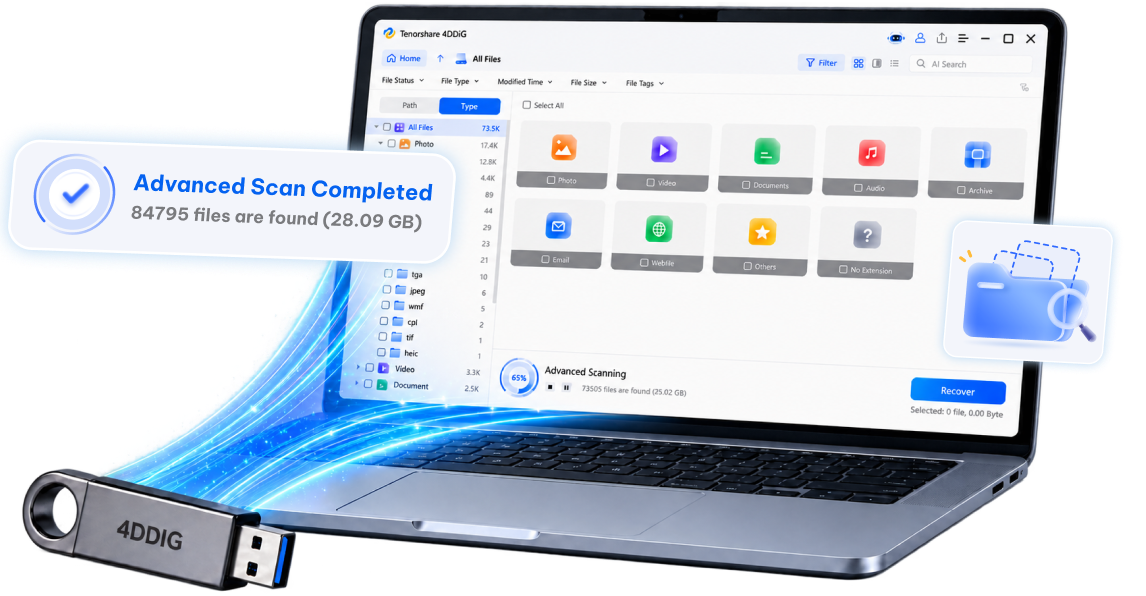
If files on your USB drive have already become inaccessible, corrupted, or missing due to improper ejection, 4DDiG data recovery can scan the drive and help restore lost or damaged files. By recovering your data first, you can safely proceed with troubleshooting the USB error without risking data loss.

  • Recover lost or deleted data from USB drives, SD cards, External hard drive, SSDs, HDDs, pen drives, and even digital cameras.
  • Restore files caused by various scenarios such as accidental deletion, malware attacks, corruption, formatting, or device damage.
  • Support recovery of 2000+ file types, including photos, videos, audio files, documents, and more.
  • Deep scan and recover data from severely inaccessible or corrupted USB flash drives.
  • Preview files before recovery to ensure you only restore what you need.
FREE DOWNLOAD

Secure Download

FREE DOWNLOAD

Secure Download

Follow the steps below to recover lost data from a damaged USB drive:

  • Connect and Select the USB Drive

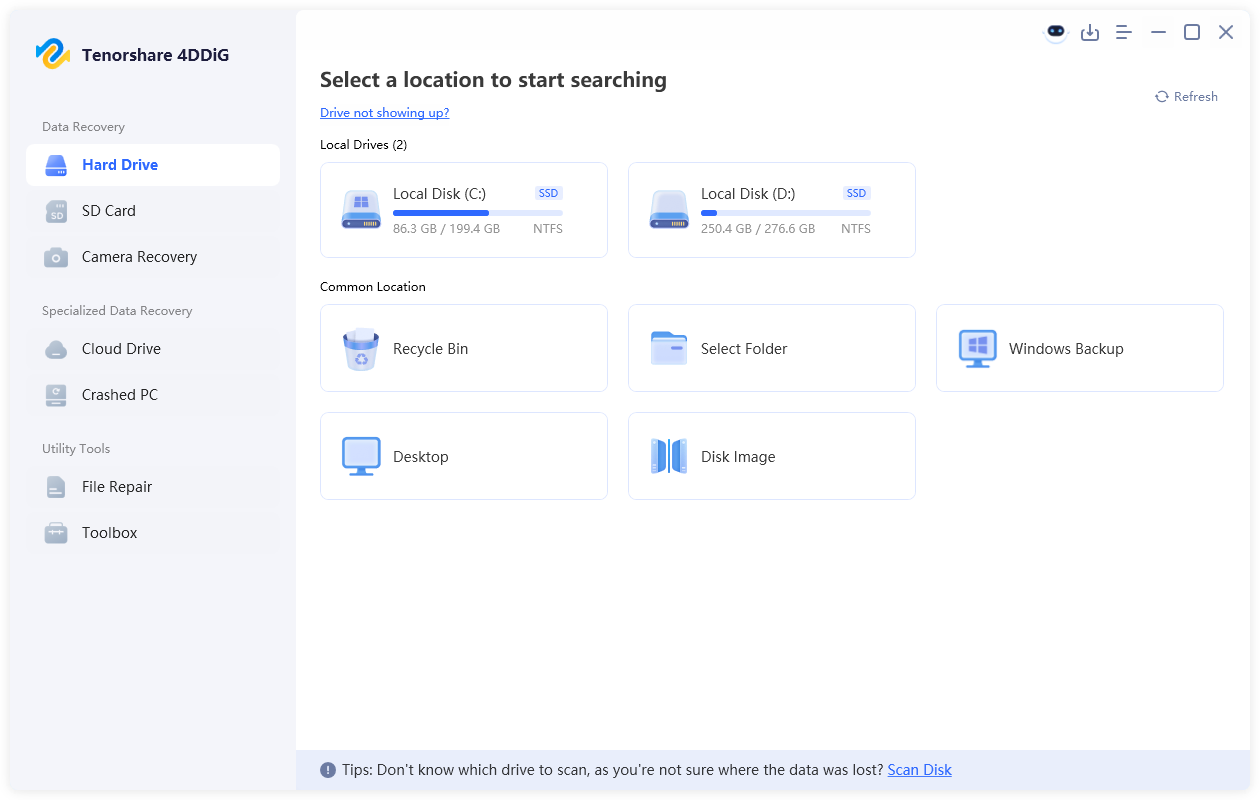
    Connect your USB drive to the computer and launch 4DDiG. Then select the USB drive from the list of detected storage devices to start the recovery process.

    launch 4ddig and enter interface
  • Scan the USB

    4DDiG will automatically begin scanning the selected drive for recoverable files. Once the scan is finished, you can quickly locate the needed files using the Filter or Search feature.

    click type to see all files 4ddig
  • Preview and Recover Files from USB

    You can select the files you want to preview them in detail, and then click "Recover" to restore and save them to a safe location.

    preview and recover the files

Fix 1: Close All Opened Files and Programs

The first step to try if you can't eject USB drive is to check whether all files and programs on your Windows PC are closed. If any are still running, close them completely and try again to see if the USB device can be safely removed. You can also right-click on a blank area of the desktop and select Refresh, then attempt to eject the USB device once more.

Fix 2: Eject USB Device through This PC

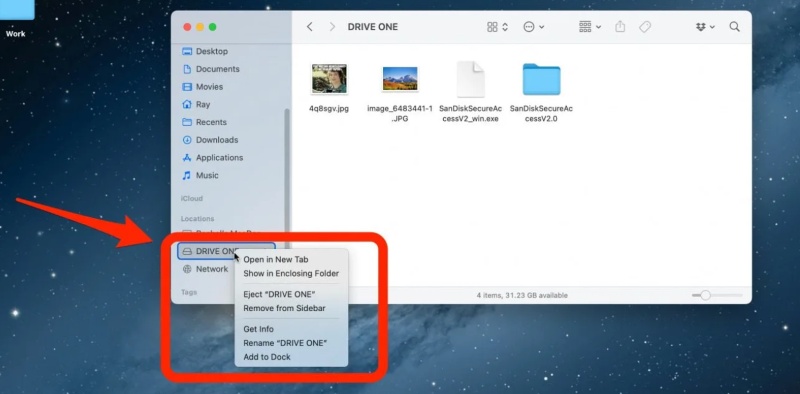
You can also try ejecting the USB device in another way—through This PC. Open This PC, locate your external USB drive, right-click it, and select "Eject."

If the device still cannot be removed and the Problem Ejecting USB Mass Storage Device error still pops up, follow the other methods in this guide to safely fix the issue.

eject the usb drive through this pc

Fix 3: End Conflicting Processes Using Task Manager

Check the Taskbar to see if any programs are still running. Some applications may be minimized or grouped under combined task buttons, so make sure to expand them and verify that no files from the USB drive are still open.

If you don't see any active programs, please open Task Manager to check for background processes. Here's how to do:

  • Right-click the taskbar and click Task Manager from the rundown to open it.
  • Here, you can see all the running programs under the Process tab.
  • In the next step, you can check the list of all the running projects in Task Manager. Right-click any of them that might be utilizing your USB storage, and tap "End Task" to close the application. end background task in task manager

Fix 4: Run Windows Hardware and Devices Troubleshooter

If the USB device still can't be safely ejected, you can try running the Windows Hardware and Devices Troubleshooter. This built-in tool automatically scans your system for hardware-related issues and can help detect and fix problems that may be preventing the USB drive from being removed.

  • Press Win + R on your keyboard to open the Run dialog box.
  • Type the following command:
    msdt.exe -id DeviceDiagnostic
    run the device diagostic command
  • Press Enter to launch the Hardware and Devices Troubleshooter. troubleshoot hardware and devices
  • Click Next and let Windows scan for hardware-related issues and follow the instruction to complete the process.

Fix 5: Sign Out and Log Back Into Your Computer

If applications or background processes are still accessing your USB drive, it can prevent you from safely ejecting it. A simple way to close them all at once is to log off your Windows PC. This can help release any files or programs that are keeping the USB device in use. You can log out the PC in the following four ways:

  • From the Start Menu, go to the Administrator symbol > Sign out.
  • Press Windows + X > Shut down or sign out > Sign out.
  • Hold Ctrl + Alt + Del > choose Sign out.
  • Make sure you are on the desktop, then press Alt + F4, select Sign out from the drop-down menu, and click OK.

Fix 6: Temporarily Disable Antivirus Software

Some security software installed on your Windows PC may interfere with normal operations and keep a USB drive in use, causing the USB not ejecting properly error. Temporarily disabling the antivirus allows Windows to release the device so you can remove it safely.

Fix 7: Remove USB Device via Device Manager

If your USB drive still cannot be safely ejected, Device Manager provides a way to refresh the system's connection to the device. There are two main approaches you can try, depending on how persistent the issue is.

▼Method 1: Disable and Re-enable the USB

  • Press Win + X and select Device Manager.
  • Expand Universal Serial Bus controllers or Disk drives to locate your USB drive.
  • Right-click the device and select "Disable device". disable the usb device in device manager
  • Wait a few seconds, then right-click again and choose "Enable device".
  • Try ejecting the USB drive again using This PC or Safely Remove Hardware.

✅This method is safe and will not delete any data.

▼Method 2: Uninstall the USB

  • Open Device Manager to locate your USB drive under Universal Serial Bus controllers or Disk drives.
  • Right-click the device and select "Uninstall device". uninstall the usb device in device manager
  • Confirm the action when prompted.
  • Disconnect the USB drive from your PC then reconnect so that Windows can automatically reinstall the driver.
  • Try safely ejecting the device again.

✅This method can fix driver conflicts or corruption. ⚠️ But please use it with caution, as improper use may cause the device to be unrecognized or require reinstalling the driver.

Fix 8: Manage USB Drive via Disk Management

Sometimes, Windows may block USB ejection because the drive letter is still being referenced by the system or background programs. Changing the drive letter in Disk Management refreshes this reference, releasing hidden access and allowing you to safely eject the device without affecting your data.

  • Press Win + X and select Disk Management.
  • In the Disk Management window, locate your USB drive under Removable list.
  • Right-click the USB volume and click "Change Drive Letter and Paths → Remove the drive letter". remove drive letter and paths
  • After making changes, wait a few seconds to try ejecting the USB drive again through normal step.
Notes

✅ This method is safe and does not delete your data. so it's suitable for regular users.

⚠ Only perform this on USB or external drives, not internal system drives.

⚠ If eject still fails, consider using Task Manager, Device Manager, or restarting the PC.

Fix 9: Restart Your PC

If all other methods fail to release your USB drive, restarting your PC is a simple and effective solution, as it closes all programs, background processes, and system references that may be preventing Windows from safely ejecting the device.

To do this, click the Start menu, select the Power icon, and choose Restart. Once the system has fully rebooted, try ejecting the USB drive again using This PC or Safely Remove Hardware, which in most cases will resolve the issue.

Fix 10: Shut Down Your PC Completely

Restarting your PC still does not resolve the issue? You can try completely shutting down your computer. Unlike a restart, a full shutdown completely terminates all system processes and power cycles the hardware, which can help release any remaining background activity keeping the USB drive in use and allow it to be safely removed.

To shut down your PC completely, click the Start menu, select the Power icon, and choose Shut down. Wait for the system to fully power off, then turn your PC back on. Once Windows has restarted, try removing the USB drive and see if the problem ejecting USB mass storage device issue still appear.

click to shut down your computer

Fix 11: Format USB to FAT instead of NTFS

If your USB drive is formatted in NTFS, switching it to FAT may help resolve the USB ejection error, as FAT is generally more compatible with removable devices while NTFS is a more complex file system that allows background indexing and write activity.

Keep in mind that formatting will erase all data on the drive, so be sure to back up any important files before proceeding. You can use a data recovery tool such as 4DDiG USB data recovery to save your data before proceeding.

  • Connect the USB drive to your computer. Open This PC and locate it.
  • Right-click the drive and select "Format".
  • Under File System, choose FAT32 (or FAT, if available). format the usb to exfat
  • Leave the other settings as default, or adjust them as needed.
  • Click "Start" and confirm the warning message, wait for the formatting process to complete.
  • Once done, close the Format window, then reconnect the USB drive and try ejecting it normally.

FAT32 may not be available for drives larger than 32 GB in Windows. In that case, you can use a third-party formatting tool or choose exFAT, which also offers broad compatibility for removable devices.

FAQs Realted to Problem Ejecting USB Mass Storage Device

1. How do you safely eject a USB?

To safely eject a USB drive, click the Safely Remove Hardware and Eject Media icon in the Windows taskbar and select your USB device. Once you see a notification that it is safe to remove the hardware, you can unplug the USB drive without risking data corruption.

2. What happens if you don't Eject USB?

Removing a USB drive without ejecting it first may interrupt ongoing read or write operations. In some cases, this can lead to file corruption, data loss, or damage to the drive's file system. Although modern versions of Windows reduce this risk, safely ejecting a USB drive is still recommended whenever possible.

3. Is it safe to remove a USB when the computer is off?

Yes. If the computer is completely shut down, it is generally safe to remove a USB drive because no programs or system processes are accessing it. However, make sure the PC has fully powered off and is not in Sleep mode before unplugging the device.

Conclusion

These are 11 effective methods to resolve the "Problem Ejecting USB Mass Storage Device" error. We hope one of these solutions helps you safely remove your USB drive. If any data is lost while troubleshooting, you can recover your files quickly and securely using a dedicated USB recovery tool like 4DDiG.

FREE DOWNLOAD

Secure Download

FREE DOWNLOAD

Secure Download

William Bollson (senior editor)

William Bollson, the editor-in-chief of 4DDiG, devotes to providing the best solutions for Windows and Mac related issues, including data recovery, repair, error fixes.

(Click to rate this post)

You rated 4.5 ( participated)