WD My Passport Not Showing Up? Fix It Without Losing Data

5 mins read

Updated on 2026-07-22 15:56:05 to Hard Drive

When your WD My Passport is not showing up, the first concern is whether your data is still safe. Before trying any fixes, identify what is preventing the drive from being recognized to avoid making data recovery more difficult.

This guide explains how to diagnose and fix WD My Passport not showing up issues on Windows 11/10, and how to recover your files if the drive becomes inaccessible.

the situation of wd passport not showing up

Why Is WD My Passport Not Showing Up on Windows 10/11?

What You See Possible Cause Where to Check Next Step
WD My Passport does not appear in File Explorer, but the drive is detected by the computer. Missing drive letter, mounting issue, or partition-related problems. Disk Management Assign a drive letter or mount the drive.
WD My Passport shows as RAW. File system corruption, damaged file system metadata, improper ejection, or partition errors. Disk Management Do not format the drive. Recover important data first.
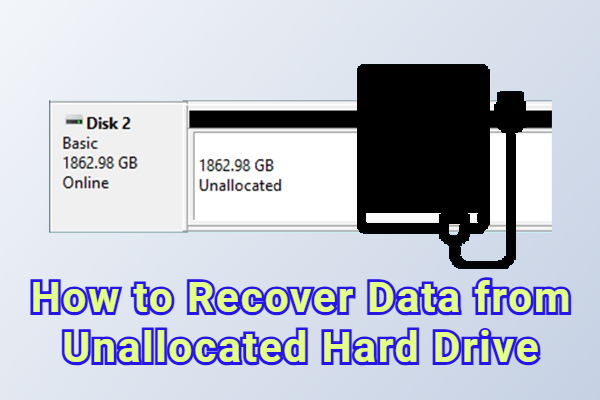
WD My Passport shows as Unallocated. Lost partition information, accidental deletion, or partition table damage. Disk Management Avoid creating a new partition. Recover lost data or partitions first.
WD My Passport appears in Device Manager but not in Disk Management. Driver issues, USB controller problems, or device recognition errors. Device Manager and USB controllers Reconnect the drive, restart the computer, or reinstall related drivers.
WD My Passport is not detected anywhere on the computer. Faulty USB cable, damaged USB port, insufficient power, or possible hardware failure. Another USB port, another computer, Device Manager Check connections first. Stop using the drive if hardware damage is suspected.
WD My Passport makes clicking noises, repeatedly disconnects, or does not spin. Physical damage, mechanical failure, or failing drive components. Hardware inspection Stop repeated attempts. Consider professional data recovery.
📝 Note:

The same WD My Passport issue can have different causes. Before trying any fix, identify how your external hard drive appears on your computer and choose the solution that matches your situation. If the drive contains important files, recover your data first before formatting or making major changes.

How to Fix WD My Passport Not Showing Up?

The right solution depends on why your WD My Passport is not showing up. Start with low-risk checks first, then follow the troubleshooting steps that match your drive’s status to avoid making the problem worse.

1 Check USB Cable, Port, and Power Connection

Before changing system settings, check whether the connection between your WD My Passport and computer is working properly. A faulty USB cable, damaged port, or insufficient power supply can prevent the drive from being detected.

Try a Different USB Port

  • Disconnect your WD My Passport and connect it to another USB port.
  • A damaged or unstable USB port may prevent your computer from detecting the drive.
  • Avoid using USB hubs or adapters, as they may cause connection issues.

Replace the USB Cable

  • Try another compatible USB data cable to rule out cable failure.
  • Make sure the cable supports data transfer instead of only charging.
  • If possible, use the original cable that came with your WD My Passport.

Try Connecting to Another Computer

  • Connect your WD My Passport to another computer to check whether the issue comes from the drive or your current system.
  • If the drive works on another computer, the problem may be related to your USB ports, drivers, or system settings.

Check Power Supply Issues

  • For desktop computers, try using rear USB ports instead of front-panel ports.
  • Avoid low-power USB extensions or unpowered USB hubs.
  • Make sure the drive receives a stable connection during detection.

2 Check WD My Passport in Disk Management

Before trying more advanced fixes, check how Windows recognizes your WD My Passport in Disk Management. This built-in tool can show whether the drive is detected, missing a drive letter, marked as RAW, or affected by partition issues.

To open Disk Management, press Win + R, type diskmgmt.msc, and press Enter. Then, locate your WD My Passport in the disk list and check its current status. Follow the solution below based on what you see.

type diskmgmt.msc command

WD My Passport Appears Without a Drive Letter

If your WD My Passport appears in Disk Management but does not have a drive letter, Windows can detect the drive but cannot display it in File Explorer. This is usually caused by a missing or conflicting drive letter. Try the following steps:

  • Right-click the WD My Passport partition in Disk Management.
  • Select "Change Drive Letter and Paths" and click "Add". click change drive letter and paths
  • Choose an available drive letter and click OK.
  • Open File Explorer again and check whether the drive appears.

WD My Passport Shows As RAW

If your WD My Passport appears as RAW in Disk Management, Windows cannot recognize the file system on the drive. This usually happens because of file system corruption, improper ejection, or partition damage. Here's what to do:

  • Do not format the drive when Windows asks you to format it.
  • Perform a hard drive recovery before making any repair attempts.
  • After recovering your data, you can reformat the drive to restore normal use.

WD My Passport Shows Unallocated

If the drive contains important files, do not create a new partition or format the drive immediately, as these actions may overwrite recoverable data. Recover your files first, then recreate the partition to make the drive usable again. Follow the steps:

  • Recover important files from the WD My Passport before making changes to the drive.
  • Open "Disk Management", right-click the unallocated space on your WD My Passport, and select "New Simple Volume". click to create new simple volume
  • Follow the wizard to assign a drive letter and choose a file system such as "NTFS" or "exFAT". format the partition settings
  • Complete the formatting process and wait for Windows to create the new partition.
Warning:

Creating a new partition writes new partition information to the drive, it may overwrite existing data and reduce the chance of successful recovery. If your WD My Passport contains important files, recover your data first is recommended.

WD My Passport Shows Offline

If your WD My Passport is marked as Offline in Disk Management, Windows has detected the drive but has disabled access to it. Here's how:

  • Right-click the WD My Passport disk and select "Online".
  • Check whether the drive appears in File Explorer after it comes online.
  • If the drive contains important data or shows other errors, recover your files before making further changes.

WD My Passport does Not Appear in Disk Management

If your external hard drive does not appear in Disk Management at all, Windows is not detecting the drive at the storage level. The issue may be related to the USB connection, drivers, power supply, or hardware failure. In that case, you should try other solutions below.

3 Check WD My Passport in Device Manager

If your WD My Passport does not appear correctly in Disk Management or is not detected as expected, check it in Device Manager. This can help determine whether Windows recognizes the drive at the hardware or driver level and identify possible driver, USB controller, or connection-related issues.

To open Device Manager, right-click the Start button and select Device Manager. Expand Disk drives, Portable Devices, and Universal Serial Bus controllers to check whether your WD My Passport or an unknown device appears.

Update the WD My Passport Driver

An outdated or corrupted driver may prevent Windows from communicating correctly with your WD My Passport. Try updating the driver from Device Manager to refresh the connection.

  • Open "Device Manager" and expand "Disk drives".
  • Right-click your WD My Passport drive and select "Update driver". update usb driver device manager
  • Select "Search automatically for drivers" and wait for Windows to complete the process. search automatically for drivers device manager
  • Restart your computer and reconnect the WD My Passport drive.

Reinstall the WD My Passport Device

If the device driver is corrupted or Windows fails to recognize the drive correctly, reinstalling the device can help the system detect it again.

  • Open "Device Manager" and find your WD My Passport under "Disk drives", "Portable Devices", or "Other devices".
  • Right-click the WD My Passport device and select "Uninstall device". uninstall usb in device manager
  • Confirm the action and wait to restart your computer. confirm to uninstall usb
  • Reconnect your WD My Passport and allow Windows to reinstall the device automatically.

Reinstall USB Controllers

Problems with USB controllers can also prevent external drives from being detected properly. Reinstalling USB controllers allows Windows to refresh the connection between your computer and WD My Passport.

  • Open "Device Manager" and expand "Universal Serial Bus controllers".
  • Right-click the related USB controller or USB Root Hub and select "Uninstall device". uninstall device universal serial bus controllers
  • Repeat the process for other related USB controllers if necessary.
  • Restart your computer. Windows will automatically reinstall the USB controllers.

These issues and methods also apply to situations when:

4 Check File System Errors and Bad Sectors

File system errors or bad sectors can prevent your WD My Passport from being detected or accessed properly. However, the right approach depends on whether the drive contains important data.

If the drive does not contain important files, you can try built-in Windows repair tools. If your WD My Passport stores valuable data, recover the files first before running any repair operation.

  • Open "Command Prompt" as administrator.
  • Type chkdsk X: /f and press "Enter" (replace X with your WD My Passport drive letter). run the chkdsk prompt
  • Wait for Windows to scan and repair detected file system errors.
  • Reconnect the drive and check whether it works properly.
📝 Note:

If your WD My Passport contains important files, avoid running repair commands. Recover your data first with tools like 4DDiG, then try to format the drive after your files are safe.

How to Recover Data from WD My Passport and Format It for Reuse?

If your WD My Passport contains important files or cannot be accessed due to file system issues, recover your data before formatting or repairing the drive. Once your files are safely recovered, you can format the drive to remove errors and use it again normally.

4DDiG Data Recovery can help recover files from WD My Passport in situations such as accidental deletion, formatting, RAW file system, lost partitions, or inaccessible drives. Besides, it can:

  • Recover lost data from WD My Passport and other storage devices, including external hard drives, USB drives, SD cards, and internal disks.
  • Restore 2000+ file types, including photos, videos, documents, audio files, and more from inaccessible or damaged drives.
  • Preview recoverable files before recovery and save selected data to another location with an easy-to-use interface.

Follow the steps below to recover your data from WD My Passport before formatting or repairing the drive.

FREE DOWNLOAD

secure download Secure Download

FREE DOWNLOAD

secure download Secure Download

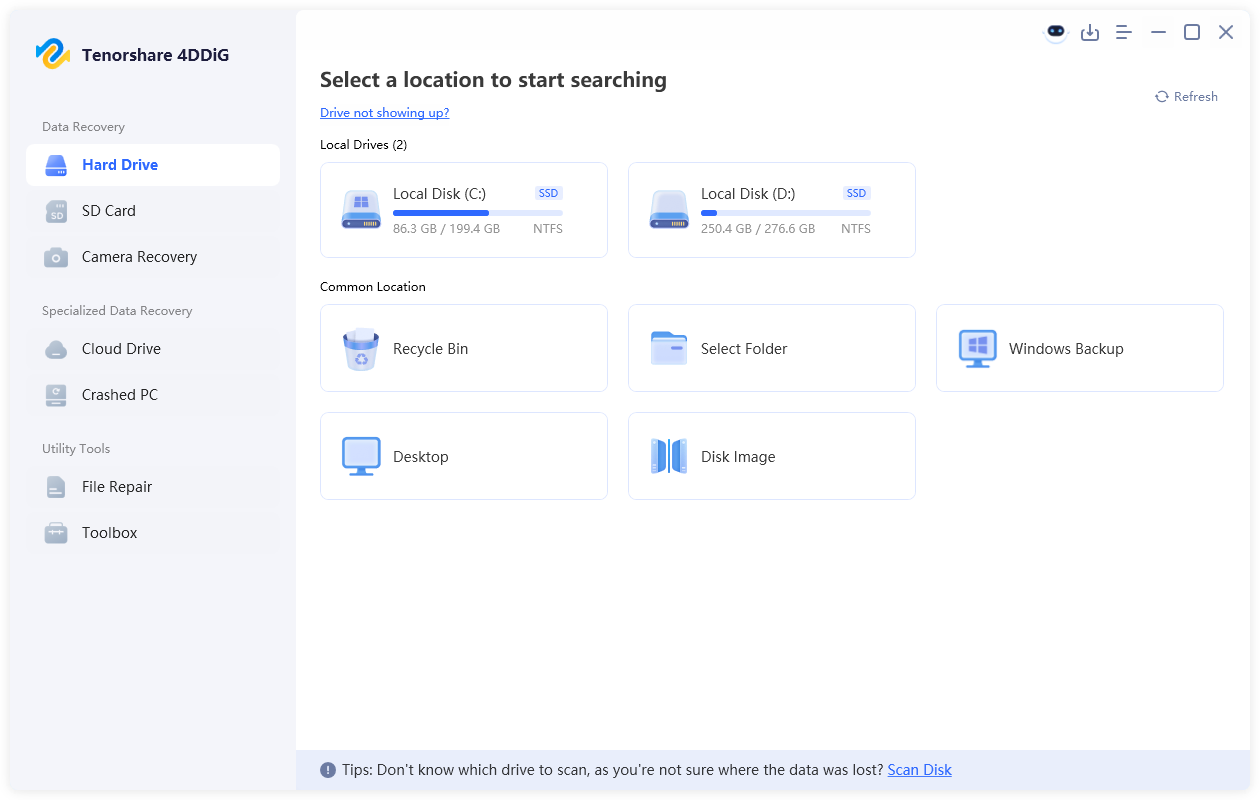
  • Launch 4DDiG on your computer and select your WD My Passport drive from the list of available storage devices. launch 4ddig and enter interface
  • Scan your WD My Passport drive to find lost or inaccessible files. You can use the "Filter" or "Search" options to quickly locate specific file types, including photos, videos, documents, and more. scan WD My Passport and filter files in 4DDiG
  • Preview the scanned files to check whether your lost data is recoverable. Select the files you need and click "Recover" to continue. preview recoverable files in 4DDiG
  • Save the recovered files to another healthy drive or storage location instead of the WD My Passport to avoid overwriting existing data. save recovered files to another location

After recovering all your important files and confirming that your data is safe, you can format your WD My Passport to remove file system errors and make it usable again. Follow the steps below:

  • Open "File Explorer", right-click your WD My Passport drive, and select "Format". click to format the drive
  • Choose a file system, such as "NTFS" for Windows use or "exFAT" for cross-platform compatibility. Enter a volume label if needed.
  • Select "Quick Format" and click "Start" to begin formatting the drive.
  • Wait for the formatting process to complete. Once finished, your WD My Passport will be ready to store files again.

When Should You Stop Troubleshooting WD My Passport?

If your WD My Passport shows signs of hardware failure, continuing to troubleshoot may make the situation worse or reduce the chance of successful recovery. Stop troubleshooting and consider professional help in the following cases:

  • The drive makes clicking, grinding, or other unusual noises.
  • The WD My Passport keeps disconnecting, does not spin up, or is not detected at all.
  • The drive shows incorrect capacity or abnormal storage information.
  • The drive has been dropped, exposed to water, overheated, or physically damaged.
  • The drive is still inaccessible after trying different cables, ports, and computers.

For these situations, avoid formatting or repeated repair attempts. A professional data recovery service may be needed to safely handle hardware-related issues.

Conclusion

In this guide, we explained why is your WD My Passport not showing up and provided practical solutions to help you make the drive show up again. From checking connections and system settings to recovering data before repair, these methods can help you handle the issue safely.

If your WD My Passport is still inaccessible or contains important files, 4DDiG can help recover your data before formatting or repairing the drive. With the right approach, you can restore your WD My Passport and use it normally again.

FREE DOWNLOAD

secure download Secure Download

FREE DOWNLOAD

secure download Secure Download

William Bollson (senior editor)

William Bollson, the editor-in-chief of 4DDiG, devotes to providing the best solutions for Windows and Mac related issues, including data recovery, repair, error fixes.

(Click to rate this post)

You rated 4.5 ( participated)